
![Balcony Gardening Tricks for Container Success in South Africa [My Guide]](https://secure.gravatar.com/avatar/75e86a565f1308cbca2d59ebb6af14accbcbbbb4330f5d52157cfb0ff4eda1dc?s=96&d=mm&r=g "My passion for balcony gardening started with the simple need to create a green escape, even in a small apartment high above Johannesburg. Living in a city with limited outdoor space pushed me to find out how much I could actually grow in pots and containers. I quickly learned that container gardening is not only perfect for tight spaces, it's also the best way to build a thriving garden in busy South African cities where space and water are often at a premium.")
My passion for balcony gardening started with the simple need to create a green escape, even in a small apartment high above Johannesburg. Living in a city with limited outdoor space pushed me to find out how much I could actually grow in pots and containers. I quickly learned that container gardening is not only perfect for tight spaces, it's also the best way to build a thriving garden in busy South African cities where space and water are often at a premium.
What keeps me going are the daily challenges—full sun, quick-drying soil, hungry birds, and, of course, our unpredictable local climate. These hurdles shaped my approach to container gardening, focusing on smart, sustainable choices and low-maintenance techniques that actually work here at home. If you want a beautiful, productive garden that fits your South African balcony and lifestyle, you're in the right place.
Planning a Balcony Garden in South Africa
Turning a balcony into a productive green space takes more than a handful of pots and some soil. Careful planning can help you turn even the smallest space into an oasis that fits your lifestyle, your climate, and your goals—be that fresh herbs for dinner or a wall of flowers to boost your mood. Here is how I approached planning my South African balcony garden for success, even with unpredictable weather and space challenges.
 Photo by Goodlot Dupwa
Understanding Your Balcony’s Conditions
In South Africa, every balcony is different. The way I see it, figuring out the basics up front helps avoid wasted effort later. Start by checking:
- Sun Levels: Is your space mostly sunny, shady, or does it change throughout the day? Many South African balconies get baking afternoon sun, which can be harsh on tender plants.
- Wind Exposure: Tall buildings and open sides can channel strong gusts, so I use sturdy pots and sometimes opt for low-growing or flexible plants.
- Microclimate: Does rain reach your balcony, or will you handle all the watering? Check for hot spots against a wall or cool corners in constant shade.
Accurately assessing these conditions is the first step to making your plant choices match your space’s quirks. For a deeper look at analyzing balcony conditions, I found this guide on how to start a balcony garden very helpful.
Choosing Containers and Layout
Once you know what the space offers, pick containers that fit your size, budget, and style. For my setup, versatility is key—I use a mix of the following:
- Large pots for fruit trees and shrubs
- Medium containers for herbs and bushy vegetables
- Vertical systems and hanging baskets for trailing or compact plants
Grouping containers in clusters helps create a layered look and ensures easier watering. I always leave walking space and plan for weight; balconies have limits, so I avoid overloading with heavy concrete pots.
Selecting the Right Plants
South Africa’s climate is as diverse as our gardens, so plant selection is everything. I focus on:
- Indigenous species and drought-tolerant varieties for less maintenance
- Herbs and leafy greens that thrive in sun but tolerate partial shade
- Small fruiting trees like citrus or Feijoa for visual appeal and harvests
To get the most out of limited space, I use vertical gardening tricks and opt for multi-purpose plants—think lavender for pollinators or chillies for the kitchen. The team at The Gardener has a list of plants that thrive on balconies if you want even more ideas.
Measuring, Arranging, and Watering Basics
Maximizing a balcony’s usable space starts with a tape measure. I map out possible layouts before shopping for pots, keeping these basics in mind:
- Measure width, length, and height (for shelves or trellises)
- Arrange containers so each plant gets its preferred sun or shelter
- Keep your main water source nearby or consider adding a drip system
A clear plan makes maintenance much easier. I also check South Africa’s water restrictions and look for ways to reuse water or group thirsty plants together.
Inspiration and Next Steps
Taking the time to plan makes a massive difference, even if you’re bursting with excitement to buy plants. For a few creative ideas, I enjoyed scrolling through this set of balcony garden ideas for South Africans with limited space. Each balcony garden is unique—yours will be, too.
Choosing the Right Containers for South African Balconies
The container you choose for your balcony garden is more than just a holder for soil; it shapes how your plants grow, how often you water, and even the look and feel of your space. Living in South Africa, I learned that the right pots and containers need to handle our sun, wind, water shortages, and limited balcony square-metres. Below, I break down what works for me and what every balcony gardener should weigh before splurging on that gorgeous pot in the shop.

Photo by Alexander F Ungerer
Size Matters: Picking the Perfect Fit
Choosing a container that's too small is a fast way to stunt your plants, while going too big can make moving pots almost impossible. I aim for the middle ground:
- Large containers (30-50cm wide) suit small fruit trees, shrubs, or groups of annuals.
- Medium pots (20-30cm) are just right for herbs, leafy greens, or compact flowers.
- Smaller or vertical planters help fill in gaps on walls and railings.
- For deep-rooted veggies like tomatoes or carrots, always check the minimum depth your crop requires. Too shallow and the plants never reach their potential.
Before buying, I always measure my balcony space to avoid a puzzle of pots I can’t move around. Grouping larger pots together prevents soil from drying too quickly, especially during the hot Joburg summer.
The Best Materials for South African Conditions
Some pots look stunning, but not all can stand up to our climate. I weigh up the materials by how long they last, how they handle heat, and whether they hold water or lose it fast.
Popular container materials:
| Material | Pros | Cons |
|---|---|---|
| Plastic | Lightweight, cheap, retains water | Can crack in intense sun |
| Terracotta | Breathes, looks natural | Dries out fast, heavier |
| Ceramic | Stylish, keeps roots cool | Heavy, pricey, breakable |
| Fabric bags | Great for air flow, easy to move | Need frequent watering, can degrade |
| Metal | Modern, tough, lasts long | Heats up quickly, may rust |
| Wood | Looks rustic, insulates roots | Needs lining and regular care |
I’ve found plastic and terracotta work well for most South African balconies, but I give them extra TLC—shading plastics from afternoon sun and sealing terracotta to cut water loss.
Looking for more ideas? This resource on balcony garden container selection gives more practical inspiration.
Drainage: The Dealbreaker for Healthy Plants
No matter the material, every pot must have drainage holes. Without them, roots sit in water and rot. If you love the look of a sealed ceramic or metal pot, I suggest slipping a plain plastic liner with holes inside, so water escapes easily.
A quick fix I use: add a layer of small stones or pot shards at the bottom for faster drainage. Pairing this with a quality potting mix keeps my roots thriving, not drowning. For more on why drainage matters, check out this guide to balcony pot drainage and sizing.
Style and Function: Making It Your Own
I love picking containers that match my balcony’s mood—whether earthy clay, sleek black plastic, or cheerful painted buckets. But style should always work with function. Grouping big, water-hungry plants in large tubs and hanging baskets near the edge frees up floorspace and softens hard balcony lines.
Key takeaways for container style on South African balconies:
- Cluster pots in doubles or threes for visual impact and easier watering
- Mix heights to create depth and maximize sun exposure
- Try vertical systems, like wall pockets or rail-hanging planters, for added growing room
Choosing the right pots is all about balance—to help plants thrive, make upkeep easier, and keep your balcony looking like the chilled-out oasis you envision.
Building Healthy Soil and Drainage for Containers in South Africa
Setting up a balcony garden in South Africa means working with some real challenges—intense sun, wind, and water scarcity all play a part. Healthy plants start from the ground up, so getting your soil and drainage right is where true container success begins. In my own garden, a good soil mix and smart drainage turned struggling pots into lush, productive mini gardens.
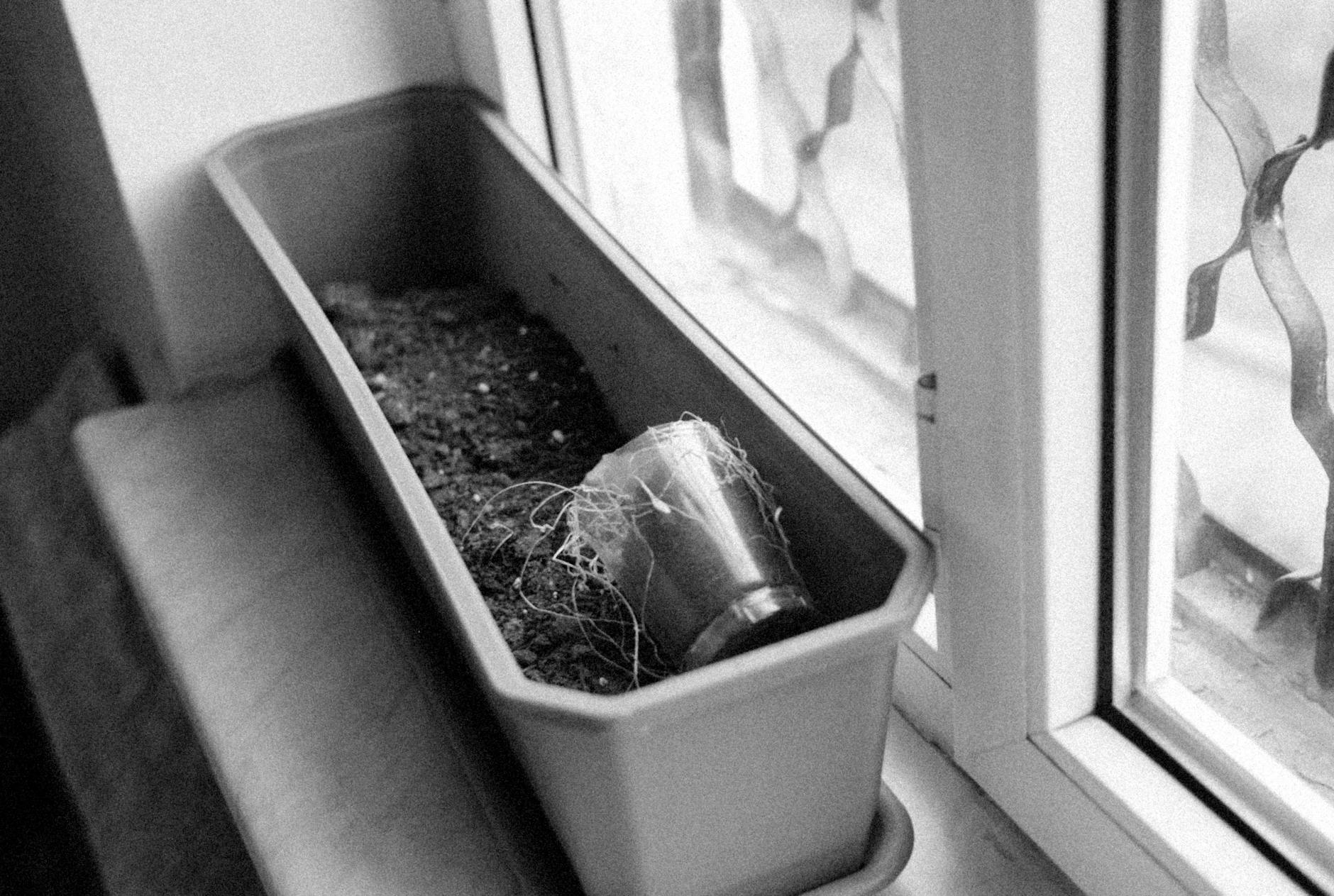
Photo by Alexey Demidov
Choosing the Right Potting Mix
Regular garden soil just doesn’t cut it in containers, especially for South African balconies. It compacts too quickly, blocks air, and holds too much water after heavy rain. Instead, I always use a quality potting mix as my base. Here’s why:
- Light and fluffy: Good potting mixes allow air to reach roots. This matters when pots are packed close together.
- Easy drainage: Avoids root rot, which destroys tender balcony crops.
- Nutrient-rich: Feeds plants without constant top-ups.
A blend that works well for my balcony is:
- 50% potting soil
- 25% compost (adds slow-release nutrients)
- 25% well-rotted manure or worm castings
This combo keeps the mix light, nutrient-dense, and holds just enough moisture between waterings. For full details on mixing and why each part matters, I recommend this potting soil guide for South African pots.
Drainage: Keeping Roots Happy
Nothing will sink a container garden faster than poor drainage. If water pools at the bottom, roots suffocate and rot. Every pot should have several drainage holes, ideally at the base—not just at the sides. I check this before planting. If the holes are small, I use a drill to add a few more.
To improve drainage in the pot, I use these tricks:
- Add a loose layer: Small stones, old broken pots, or coarse gravel in the bottom of the container help water escape fast.
- Avoid dense layers: Don’t use too much sand or packed clay; this can block drainage and cause muddy build-up.
- Elevate pots slightly: Small bricks or feet under containers let water run clear and prevent stains on the balcony.
Over time, even the best potting mixes can settle or clog. When I replant or refresh pots each year, I check for compacted soil and break it up by hand. This simple habit keeps drainage working and roots growing strong.
Feeding the Soil for Ongoing Success
Healthy soil is living soil, and a good potting mix alone won’t keep your plants fed forever. Balcony gardens in South Africa face quick dry-outs and big temperature swings, which can deplete nutrients faster than ground gardens.
These habits keep my balcony soil productive season after season:
- Top up with compost or worm castings every few months
- Layer on organic mulch (like bark chips, dry leaves, or straw) to stop rapid moisture loss
- Use liquid feeds (seaweed, fish emulsion, or organic teas) every few weeks during peak growing season
A tip from Taste’s guide to balcony food gardens: mixing organic material into your soil and topping with mulch means less watering, fewer weeds, and stronger, more resilient plants.
The Benefits of Good Soil and Drainage for South African Balconies
When pots are filled with the right mix and drain well, here’s what I notice:
- Tougher, greener plants
- Less risk of disease or root rot
- Less time spent watering and fixing problems
Avoiding problems upfront is less hassle than trying to save dying plants later. For more hands-on advice on container-friendly mixes, Garden Solutions’ guide on vegetables in containers is packed with local tips.
Getting soil and drainage right is the foundation for every lush South African balcony garden. With just a few tweaks, your small space can support healthy roots and thriving plants all season long.
Maximising Balcony Space with Vertical Gardening in South Africa
Tight balconies in South Africa can limit what you grow, but vertical gardening transforms plain walls, railings, and awkward corners into thriving pockets of green. Using the air space above the floor lets you plant much more than you’d ever fit in pots alone. This method helps keep walkways clear while creating living walls full of colour, flowers, and even edibles. I rely on vertical setups to turn my small balcony into a layered escape that feels bigger than it is.
 Photo by cottonbro studio
Creative Pairings for Layers and Colour: Ideas for Layering Tall, Bushy, and Trailing Plants
Getting the best from a vertical garden is all about arranging plants in layers. This means teaming up tall, bushy, and trailing types in the same hanging pocket or stacked pot. In our hot, windy climate, pairing sturdy local species with reliable herbs and edibles gives bright results with less fuss.
Here’s how I create eye-catching, space-saving plant combos for vertical gardens:
- Top Layer (Tall Uprights)
- Dietes grandiflora (wild iris): Handles SA sun and brings spiky texture.
- Basil or parsley: Edible and grows tall when pinched often.
- Salvia africana-caerulea (African sage): Blue flowers and upright habit.
- Bushy Centre Layer
- Pelargonium (geranium): Tough, scented, and colourful, native to SA.
- Lettuce or spinach: Packs lots of leaves in a small spot.
- Scabiosa africana (pincushion): Soft, bushy structure with purple blooms.
- Trailing/Lower Layer
- Helichrysum petiolare (licorice plant): Hangs nicely and has silver foliage.
- Oregano or thyme: Edible, drapes over edges, and thrives in heat.
- Senecio serpens (blue fingers): Succulent and spreads along the container’s lip.
Mixing these layers keeps containers interesting from every angle. Bringing together tough, climate-friendly plants puts less pressure on your watering schedule. Use native and drought-resistant choices wherever possible to match local conditions and reduce work. For wide inspiration and practical vertical garden setup tips, the article on vertical gardening for South African balconies covers routes for hanging, pocketed, or stacked planters.
For extra guidance, check out the options for indigenous South African balcony plants to fill even the trickiest corners with local favourites.
A layered approach not only packs your space with green but also supports birds and beneficial insects. Colourful flowers at each height attract bees and butterflies, while aromatic herbs keep pests away and boost harvests.
Balcony gardening in South Africa really shines when you embrace vertical layers. More plants, more colour, less fuss—all in the air space you already have.
Best Plant Choices for South African Balcony Containers
Finding the perfect plants for my South African balcony containers took patience and a fair share of trial and error. Our hot summers, quick-drying soil, and limited space mean not every plant will thrive in a pot. Over time, I discovered a selection of reliable winners—especially if, like me, you want to step outside and pick something fresh for your next meal. Growing edibles in containers lets you keep flavor close to the kitchen while adding beauty to any balcony setup.
Edible Container Gardens Near the Kitchen: My Tricks With Tomatoes, Peppers, Lettuce, and Herbs
I love picking ingredients just a few steps from the stove. To make that possible on a balcony, I set up containers for cherry tomatoes, sweet peppers, crisp lettuce, and a rotating lineup of fresh herbs. These plants offer fast growth and high yields in small spaces. Here’s how I make them work:
 Photo by Darkshade Photos
My top container edibles (with reasons):
- Cherry tomatoes: Small and quick to ripen, they handle the intense South African sun but prefer at least 6 hours of light. I give them stakes or trellises and a deep container (at least 30cm deep).
- Peppers (bell and chilli): Compact and tough, both sweet and hot types grow well in medium (25–30cm) pots. They love warmth and drain best in lightweight, breathable containers.
- Lettuce and baby spinach: Quick-growing, can be sown every 2–3 weeks for fresh leaves all season. Shallow trays or window boxes (15–20cm deep) work perfectly.
- Herbs (basil, thyme, mint, parsley, coriander): Most herbs need less space and can be tucked around larger plants. Mint likes its own pot to avoid crowding others.
Positioning Tips for Sunlight and Harvest Ease
Position means everything for balcony edibles. South African balconies can swing from shady and cool in winter to blazing hot in summer. I learned to:
- Place sun-hungry plants like tomatoes and peppers toward the sunniest part of the balcony—usually the front or the rail.
- Tuck delicate greens like lettuce where they get morning sun, but are shaded by tall pots or a patio umbrella on hot afternoons. This slows wilting and stops bitter-tasting leaves.
- Keep herbs in small pots on shelves or hanging baskets near doorways for easy picking while cooking.
- Group plants with similar water needs together, making daily upkeep simpler and reducing waste.
If your space catches fierce wind, I use sturdy pots and cluster containers together as a windbreak. Placing large pots at the corners helps shelter tender lettuce and herbs in the center.
Staying close to the kitchen speeds up harvesting and keeps watering top of mind. I always leave a clear walking path so I can check each plant, snap off ripe veggies, and spot pests early.
Looking for more ideas? The guides on how to grow food on your South African balcony and picking the right edible plants for containers give specific, locally tested suggestions.
Balcony containers can give you salads, sauces, and seasoning within arm’s reach—bringing food and nature together, right where you live.
Sustainable Watering and Care for Balcony Containers in South Africa
Balcony gardens can be tough to keep happy, especially under South Africa’s sun and water restrictions. I’ve found that paying attention to how, when, and how much I water truly makes the difference between struggling plants and a lush, low-maintenance balcony. The right care routine means your containers not only survive dry spells, they thrive—saving time and water for you along the way.
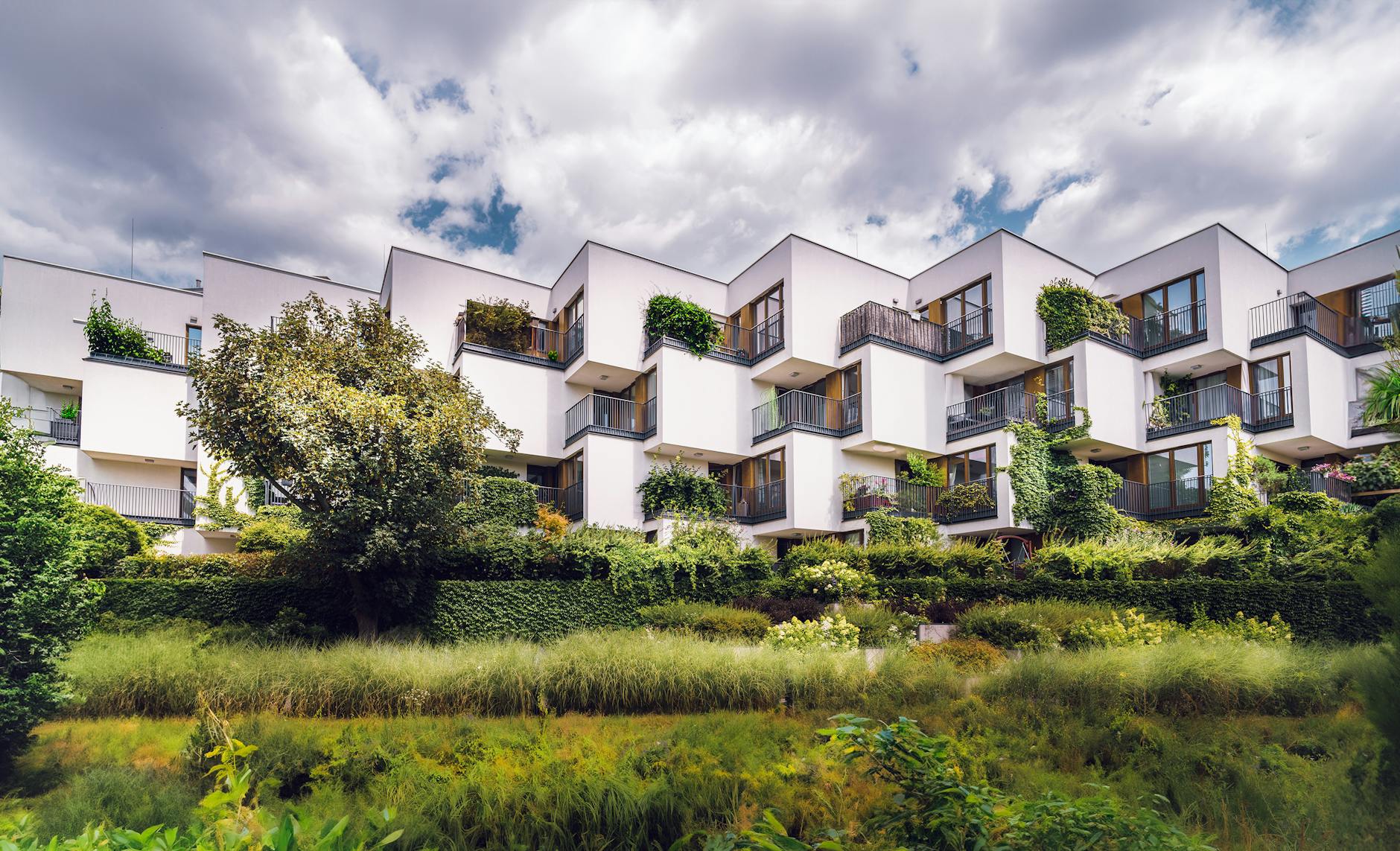
Photo by Jakub Zerdzicki
Smart Watering Routines for South African Balconies
Balcony containers dry out much faster than garden beds—wind and sun pull the moisture out quickly, especially in the highveld climate. I stick to these watering habits to avoid waste and boost plant health:
- Early morning watering: I water before the sun is high, so less evaporates and the plants get a cool start.
- Check soil daily: I poke my finger into the top few centimetres. If it feels dry, it’s time to water.
- Deep, slow watering: Instead of quick splashes, I soak the pots until water drains from the bottom holes. This encourages deep root growth.
- Water at the base: I direct water to the soil instead of the leaves to reduce disease.
- Move pots during heatwaves: I tuck thirsty plants into shadier corners or group them to protect from harsh sun and scorching winds.
Watering by hand works well for me but isn’t the only choice. If I need to travel or skip a day, I set up DIY self-watering tricks or invest in a small drip system. These methods cut down water use and keep soil moist for days. To learn about easy self-watering and holiday hydration options, check out this guide to pot plant hydration methods.
Choosing the Right Mulch and Soil Care
Most of my water woes vanished when I started mulching all my balcony containers. A good mulch layer slows evaporation, keeps temperatures steady, and even cuts weeds out of the picture. My favourites are:
- Fine bark chips, wood shavings, or straw for larger pots
- Coconut coir for smaller containers
- Pebbles for a neat, decorative finish on top of the soil
I lay mulch about 2–3cm thick, avoiding direct contact with plant stems to prevent rot. Mulch keeps soil cool and holds every drop of water a bit longer, which means less stress during hot spells.
Alongside mulching, I refresh the top layer of soil or compost every few months. This keeps containers fertile and helps moisture sink in. For best results, I mix in organics like worm castings or well-rotted compost. For deeper insight on potting mixes and drainage, this container gardening soil guide offers clear, practical advice.
Water-Efficient Container Choices
Not all pots are equal when it comes to water. Choosing smart containers has saved me endless hours of watering:
- Plastic and glazed ceramic pots: These hold moisture far better than bare terracotta, which dries out fast.
- Large containers over small: Bigger pots keep soil moist longer and buffer roots from heat spikes.
- Self-watering pots: Some containers come with reservoirs that feed moisture directly to plant roots.
If I upcycle old buckets or tubs, I always check for drainage holes—healthy drainage prevents roots from sitting in water, but the right potting mix (with compost, bark, and a pinch of sand) makes all the difference for water retention.
Adapting to South Africa’s Unique Challenges
Our unpredictable weather and occasional heatwaves mean container gardens need tough love. Here’s what I’ve found works in our local context:
- Group plants with similar water needs to avoid over- or under-watering.
- Move delicate containers out of wind tunnels on stormy days.
- Harvest rainwater in buckets or watering cans whenever possible, to stretch watering days and be a little kinder to the tap.
For more container care tips and plant choices that suit balconies here, I keep going back to this useful page on balcony plant care for South Africans.
Caring for balcony containers in South Africa doesn’t have to be a daily struggle. With a smart watering routine, good mulch, and the right containers, your small outdoor space can stay green and generous even in the face of heat and drought.
Conclusion
Balcony gardening in South Africa has changed the way I see small spaces and the food I grow at home. With the right containers, healthy soil, clever vertical planting, and practical watering tricks, even a tight, sun-baked balcony can become a green retreat that thrives all year. My results prove that with a bit of local know-how, anyone can enjoy a low-maintenance, beautiful balcony garden—saving water, eating fresh, and enjoying nature right outside their door.
If you’ve tried your own container hacks or have plant favorites that work well in South Africa, I’d love to hear from you. Share your tips or questions in the comments below so we can keep building our local balcony gardening community. Thanks for joining me in turning everyday spaces into something lush and rewarding!